All Activity
- Past hour
-
It would only be harmonically in tune with a single note. Each string will have a pitch depending on the length between the bridge and the tailpiece. If you were to tune it to match the open pitch, all the fretted notes will have the same open pitch as well (although probably 2 or 3 octaves higher). But I find the same thing.... you have some sympathetic vibration from the string behind the bridge. I hear it on my DeArmond Starfire, my 525 and 530. I have seen people use cloth and rubber to dampen the string vibrations. I never felt the need.
-

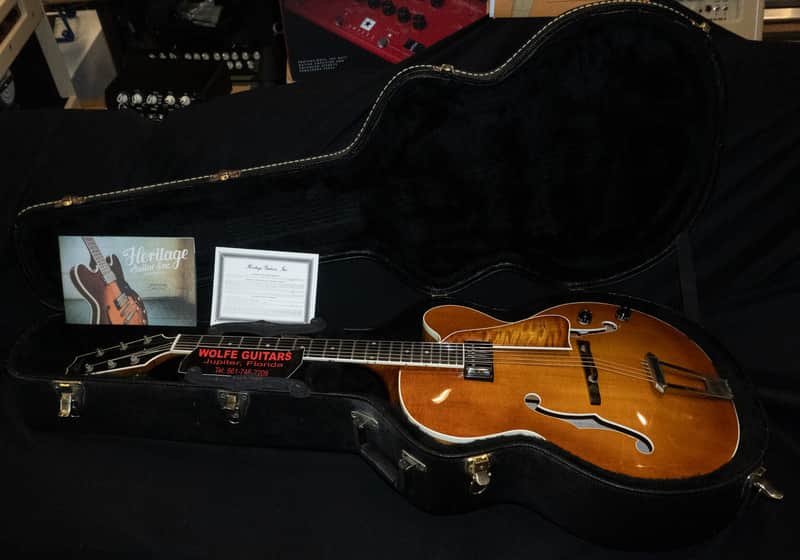
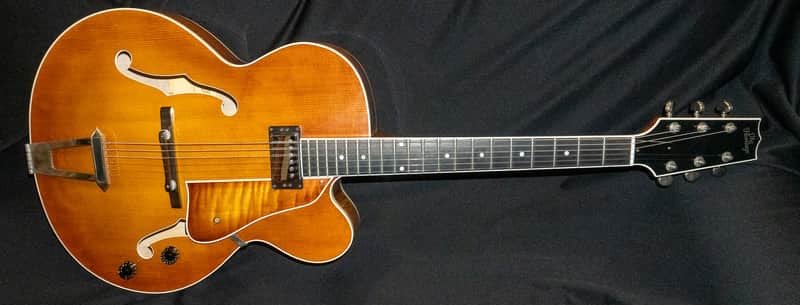
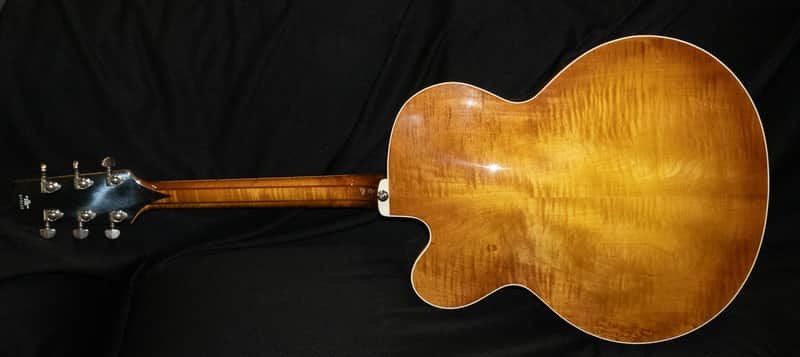
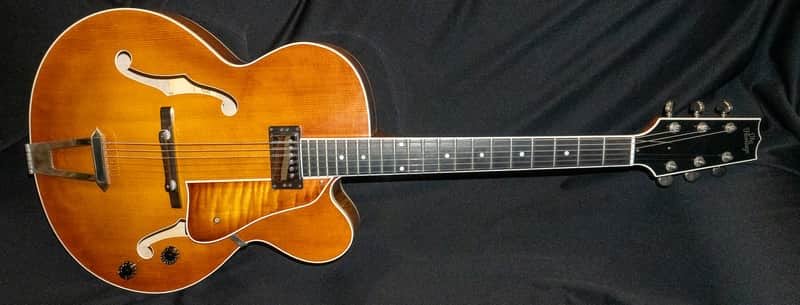
Incoming: 2001 Heritage Eagle Classic Custom
TalismanRich replied to tsp17's topic in Heritage Guitars
Nice guitar. I still love those old style wooden pickguards!!! I wouldn't swap out anything until you played it. Schaller pickups are like any others... they have a sound that may or may not be what you prefer. If you go back and read comments you'll hear that they are hard, soft, bright, full, like an SD59, Alnico Pro II, a Dimarzio PAF or a Gibson PAF. That pretty much covers the range from left to right. They are a potted, Alnico 5 based pickup, with 4 wire connections for coil splitting if you want to go that route. Schaller quit selling pickups which is what prompted Heritage to switch to Duncan (59s and Seth Lovers). They have 3 mounting holes on the baseplate, so you can adjust the tilt if you need it. I've got Schallers in my H-157, Sheptone Tributes in my H-535, Seth Lovers in my Millennium, and Alnico Pro IIs in my H-140. I can make more of a change in the sound by changing my amp than I can between any of the guitars. Playing clean through the Princeton sounds nothing like the Patriot or the DSL401. In the end, what's most important to me how the guitar feels in my hands. Then I can tweak the tone to what I want. - Today
-
Looks great!!
-

Incoming: 2001 Heritage Eagle Classic Custom
Gitfiddler replied to tsp17's topic in Heritage Guitars
@tsp17...Congratulations on your latest archtop score. GE's are wonderful, world class instruments. Play it in good health. -
That’s great to hear. Thanks. Always a little bit of a crap shoot when buying on line. But Jay and team at Wolfe are super professional, reliable and they have the really good stuff (like HOC member owned Green Oak). They have never steered me wrong. I always have confidence buying from them.
-
Nice!
- Yesterday
-
That's a beauty. I saw that guitar at Jay's place when I bought my H530. Pictures do not do your guitar justice. Congratulations and enjoy.
-
What an improvement! You were right about Dave Teski, Awesome work!
-
The more the string weighs,the more tension to bring to pitch. The longer a string is,the more it weighs, the flexibility of a longer string has to do with its increased elastic modulous,wich also increases with overall lenght,so even with higher tension,it can feel more flexible...but my main point from this original question is, What are your experiences in having reversed the assembly of the finger bridge ?
-

-
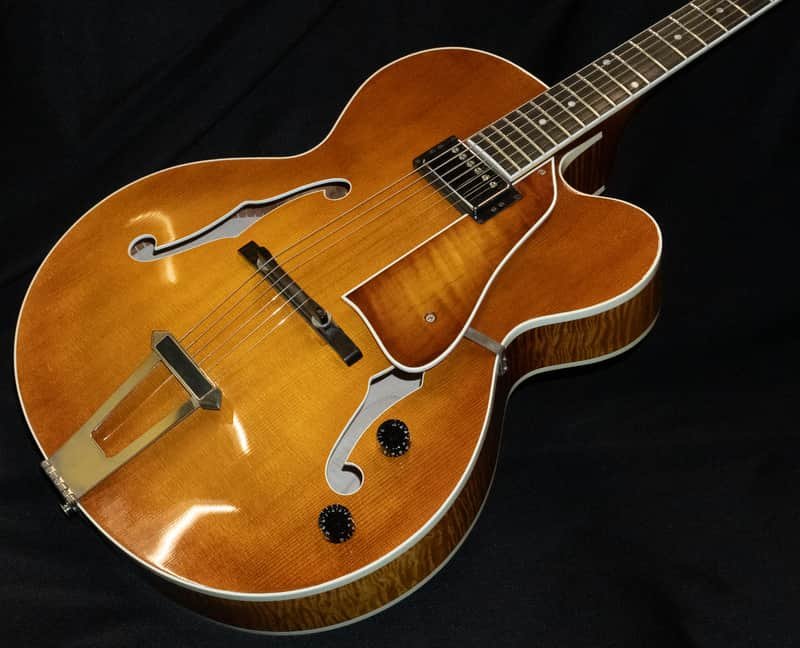
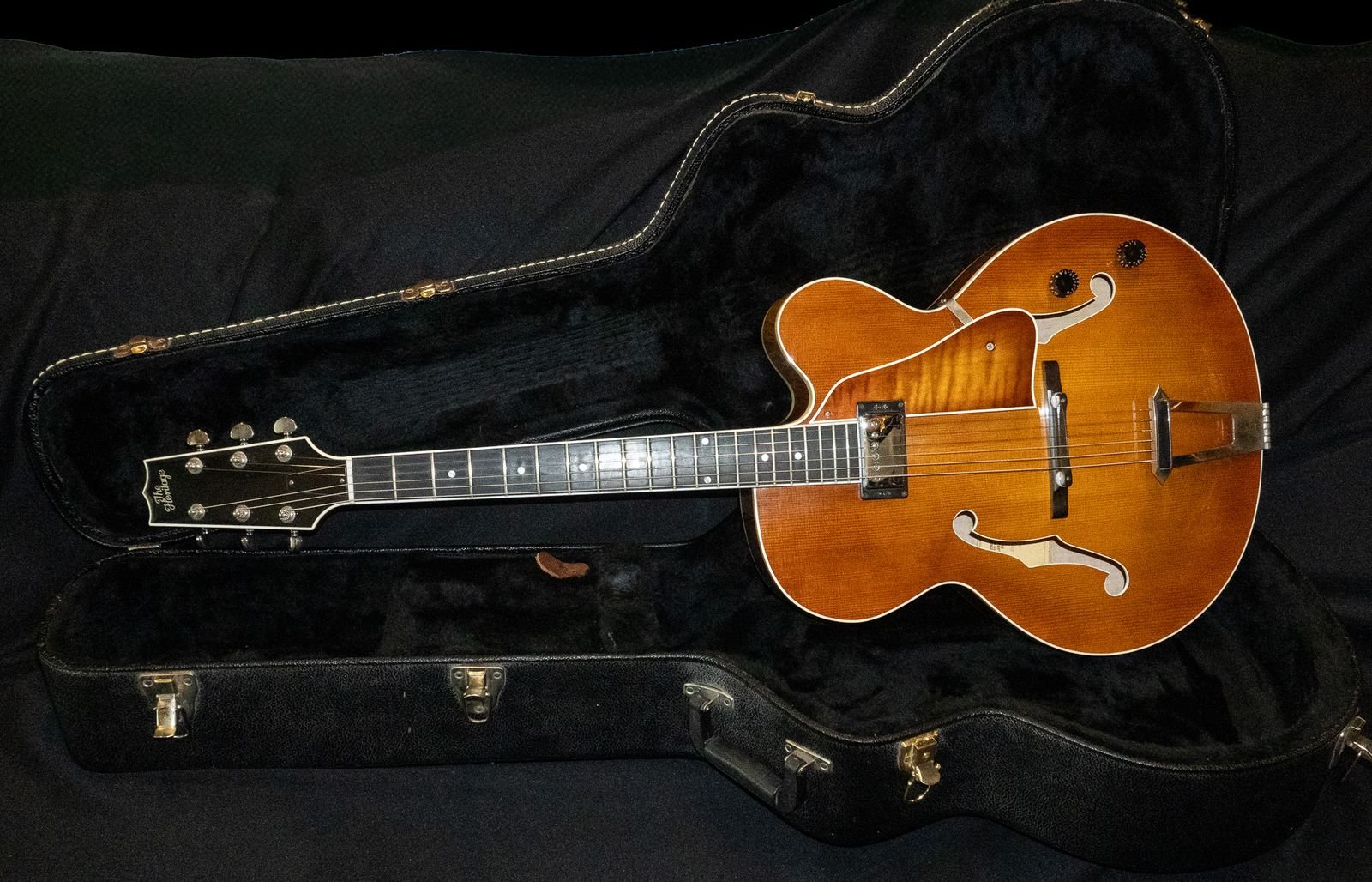
Always wanted one of these. I have a 550, 575 and SKB- so this one slots nicely in a missing spot as a 17 inch solid wood spruce top masterwork that I can gig with since I don't play my SKB at clubs/restaurants/bars. Nice bonus- comes with fitted Doug's Plugs to make it all the more gig-worthy without feedback issues. Should arrive late next week. Pickups are Schaller Golden 50's, which I've never played but the guys at Jay Wolfe's shop tell me they are on the bright and articulate side, kind of like HRWs. Will probably swap them out, but we'll see. I've been surprised before by pickups that I thought I wouldn't like, but turned out to be great in a specific guitar. More to come.... Anyone here have experience with Golden 50's? If so, please let me know your thoughts. Picture from the guys at Wolfe:
-
Wow, that's awesome!
-
I think the varying lengths on the finger bridge and similar designs outside of appearance, is perhaps the overtones that occur with the length of string from the saddle to the ball termination. On the trapeze tail guitars I've owned, the dead length between the bridge and tail is clearly audible when plucked, acoustically and via the pickups. The plucked notes are not at all musical, with no relationship to the tuned note of the vibrating length of the string. Now, if one were to design the bridge/tail to arrive at something more harmonically in tune or at least not objectionable, I think that might be appealing musically. FWIW I put silk-wrapped ball-end strings on my trapeze tail guitars for that reason, to just deaden the ringing. It's minor and maybe, nobody but me noticed it.
-
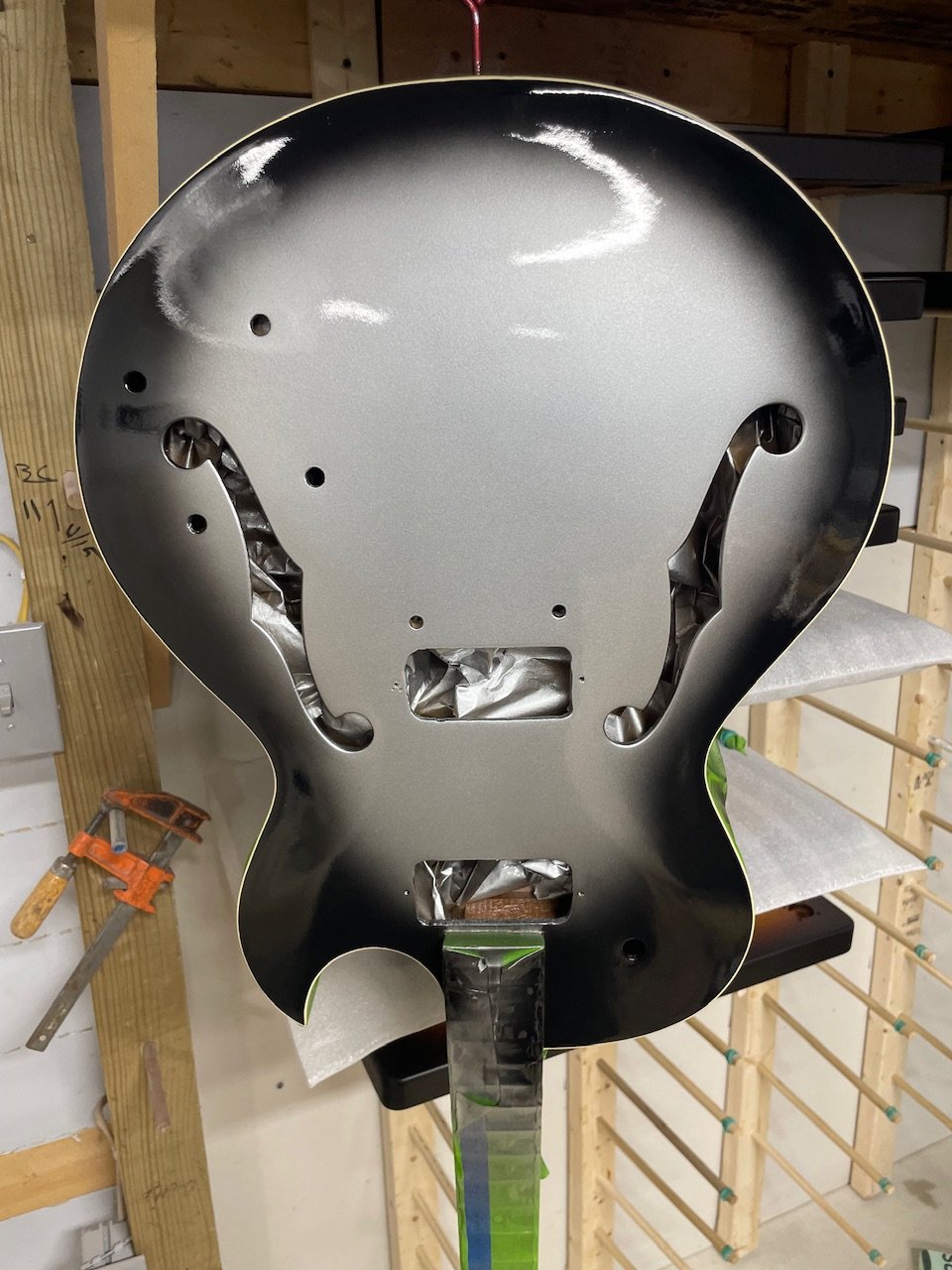
Dave Teski (lead paint artist for Heritage) is doing a refinish on just the top of my H525!!! He sent me this pics yesterday. He’s going to be buffing it out Saturday!!
-
Oops...
-
As Nuke said, this isn't true. The mass and length of the extra portion of the string does not come into play. The tension is dependent on the scale length, not the total string length. You can get the calculations on Stringjoy's page. https://tension.stringjoy.com/
- Last week
-
Good Luck George! Your new priorities are absolutely required. Your health is the most important thing. As a small business owner for all of my adult life I can relate. It's not easy for sure. Get Cris to laugh a lot.
-

‘Tis A Sad Day In The Metropolis
DetroitBlues replied to Steiner's topic in Amplification and Effects
Unfortunately like many businesses and industries, most markets are all red oceans. Not blue. This means a market that is red is saturated and the only market share to be had is just taking from others. Unfortunately as great as these amps were they may only get notoriety long after you can no longer get them. Much like Dumble back in the day. -
I don't think that's actually true. I went and looked in my old physics book and then confirmed a few other sources as well. The reference calculation is called Taylor's Formula: F = m * f^2 * L^2 The length (L) only refers to the vibrating length of the string, between the inside edge of the saddle and the inside edge of the nut. What we guitar players call "scale length". These links discuss orchestral instruments, but the math is applicable to guitars as well. https://www.thomastik-infeld.com/en/stringtelligence/string-technology/do-changes-in-frequency-or-vibrating-string-length-affect-the-string-tension This one is also by TI but covers more of it in a single article: https://www.thestrad.com/accessories/stringtelligence-by-thomastik-infeld-vibrating-string-length-and-string-tension/9132.article I know this comes up a lot in electric guitars, and acoustic flat tops as well, with regard to the break-angle over the bridge. For instance, the practice of top-wrapping the strings over a Tune-O-Matic tailpiece versus using the holes. It is often said it reduces string tension and make them more "bendy" but tuning the same mass to the same pitch on the same scale, would necessarily mean the same string tension. The break angle does though, alter the down-force of the bridge against the soundboard or body of the instrument. Here's a calculator that will compute the force exerted on soundboard once the string tension is known: https://www.liutaiomottola.com/formulae/downforce.htm
-
actually, the perfect distance from bridge to saddle id 1/6th the scale length, this is true for all violins, mandos. chellos archtops, rarely employed..the tension is alway determined by over all string length, as its entire length must be brought to tension and the longer it is the heavier it is and therefore more tension to suspend it at that tone. this in known, what i am inquiring about is not theoretical, it is a practical question directed at the actual experience someone here may have or had playing the finger bridge in a reverse assembly, such as i have seen in the gibson citation...and a howard roberts fusion. would love to try it next time i wear out a set of strings.
-

‘Tis A Sad Day In The Metropolis
Millennium Maestro replied to Steiner's topic in Amplification and Effects
There is not much money swimming around out there! many of us are being tested. I feel George's pain. -
‘Tis A Sad Day In The Metropolis
Millennium Maestro replied to Steiner's topic in Amplification and Effects
Yesterday’s Happy Friday Post from George Metropoulos on Facebook: (First Line from Post) -
I think only the length of the scale determines tension for any particular gauge/weight of string. So the distance between the nut and saddle a determinant, but the distance from saddle to stop bar is not part of the equation. There are a certain amount of harmonics present on the string outside of the scale length, and this can have an effect on sound. The string between tuner and nut, and between the saddle and tail piece are audible if plucked, and a certain amount of sympathetic vibration happens when the intentional note excites the string beyond the nut and saddles. I've occasionally stuffed the head stock of basses and a guitar or two to stop the weird ringing overtones that come that. It seems more apparent to me on bass, FWIW. I'd tend to think that the finger tailpiece was probably designed for appearance primarily. It sure looks nicer than a trapeze tail.
-
How did I not know you had an amp company? Maybe the amp department at PRS is hiring someone with your level of expertise.
-
I know for sure that the longer the string is from tuning peg to the anchor point,the higher the tension required to bring to pitch, so the lower string would be looser and the tension would get progrrssivle higher towards the high e string. This I know, but does anyone have it set up that way? The gibson citation is rigged that way. Just looking to hear from experience. Anyone?